







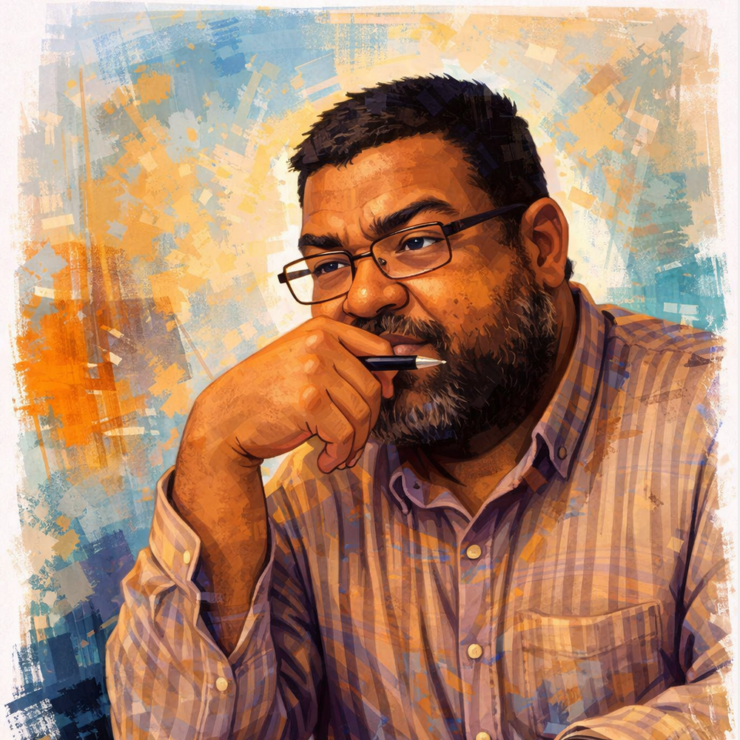
Athol Williams
Economist and former corporate executive
Athol Williams is a South African economist, author, and former corporate executive who became one of the corporate whistleblowers to emerge from South Africa’s state capture era. A former partner at Bain & Company, Williams spoke out about the consultancy’s controversial work with the South African Revenue Service (SARS), where Bain was accused of contributing to the weakening of the institution.
Williams became increasingly concerned about Bain’s role in restructuring SARS under former commissioner Tom Moyane. Evidence later presented before the Judicial Commission of Inquiry into Allegations of State Capture suggested that the restructuring process significantly damaged SARS’s operational capacity and governance systems. Williams publicly stated that he believed Bain’s conduct violated ethical and professional standards and that the firm had ignored warning signs of political interference and corruption.
In 2021, Williams testified before the Zondo Commission, providing detailed evidence about Bain’s internal culture, its dealings with politically connected actors, and the company’s work at SARS. His testimony was widely regarded as courageous because he spoke against a powerful multinational consulting firm where he had once held a senior leadership position. He also accused Bain executives of failing to act responsibly despite growing concerns about state capture.
Speaking out came at considerable personal cost. Williams reported facing intimidation, threats, legal pressure, and severe reputational attacks after becoming a whistleblower. Due to concerns for his safety, he later left South Africa and publicly stated that he feared retaliation linked to his testimony and anti-corruption activism. Despite this, he continued advocating globally for ethical leadership, accountability, and institutional integrity.
Beyond the commission, Williams used his voice as an academic, writer, and public intellectual to challenge corruption and promote values-based leadership. Through public speaking, writing, and civic engagement, he has consistently argued that silence in the face of wrongdoing enables institutional decay and undermines democracy.